This project came to me in my first doctoral year. My dear friend Charlie, (Dr. Charles Vanover, tenured professor at University of Florida, Tampa, College of Education, Education Leadership) texted and asked if I was available the following Saturday because he needed my expertise on a project he’d begun. “I’ll bring dinner!” Charlie is a fantastic qualitative research playwright, and he’d just produced his Chicago BUTOH play recently performed for several turns at Studio@620 in downtown St. Petersburg, FL with Bob Devon Jones as the Director. He didn’t say it was connected to this most recent production, but I assumed as much. Charlie showed up in Pass A Grille at my beach cottage, dinner in hand and a hopeful look on his face. We sat in my glass Florida room 20 feet up with all the floor-to-ceiling windows thrown open to the stormy beach twenty feet below.
He’d hired a videographer to produce a film of his play, but for various reasons: stage sound and lighting, focuses, intrusive ambient audience sounds, the raw footage of the premiere performance was pretty rough, and the videographer was not qualified to do the editing,
“So will you please do it? Please. I can’t pay you, but maybe, I can get a grant next semester and…”
“You hired a guy who wasn’t me to do the filming? Why didn’t you come to me in the first place. I’m a pro and have all the necessary equipment, and you wouldn’t be here now asking me to fix this for free because this is a ton of work.”
“I know, but you were buried in course work, and your nonprofit (Community Leveraged Learning shutdown due to COVID-19 lockdown) summer project and grant writing and your own film. I figured you were too busy. Besides, Bob knew the guy. He hired him.”
“Yeah, okay. You’re right. I am pretty slammed. I forgive you, and I’ll do it, but you’re going to bring me lunch every Saturday and sit here and go through all the raw footage with me so we can see what we’re dealing with. It’ll take a couple months of editing. How much footage are we talking about?”
“20, maybe 25 hours, but we don’t have two months. We’re on a deadline.”
“You should have started with that. What’s the deadline?”
“We have three weeks.”
“Three weeks! Charlie! I have a lot of stuff I’m working on and all of it on deadline, too!”
“Naw, you can do it! Remember, you’re superman! It’s nothing, right. You got it.”
“Man, sometimes… Okay, let’s go through the footage.”
We spent the rest of the day and most of the night, from 11:00 A.M. to 1:00 A.M. when Charlie headed home, then I spent the rest of the night (morning) setting up the Adobe Premiere file, exporting the footage from the share drive, and sorting through the black and white and color stills.
The biggest issue to deal with more so than the limited quantity of usable footage and audio which I can always find a way to work with was the fact that Charlie knew nothing about film production, using phrases like scroll up; scroll down, etc. This left us severely frustrated during our Saturday sessions with me wanting to throw him out my Florida room windows to the beach road below. My neighbors could hear us going at it, but they were used to it since Charlie and I frequently go at it with great enthusiasm in most of our scholarly and artistic conversations whether sitting around a fire at night on my beach (outside the turtle hatching season of course), walking, at either of our homes, or at a restaurant. We finally reached the project’s end with two days to spare and me having slept no more than two hours a night for three weeks. Charlie and I were even better friends than we were before we started, the “final” cut making all the frustration well worth it. I discuss the need for friction in the processes of creative collaborations in my presentation, Evolution and the Necessity for Friction (in Creative Processes.
Before finalizing, we sent Bob (the play’s director) a link to review and approve which he did with much praise. Like most films, we finished with an editor’s cut and a producer and director’s cut. But, I still had the trailer to produce. Now that I was working with a finish film, the trailer was a simple matter of choosing the most powerful moments and then chose the second best for the trailer, I wanted to save the first best, so the film would not be a step down from but a step up from the trailer for best possible viewer impact.
The biggest challenge in editing ethnographic material is maintaining the integrity and authenticity of a storyteller’s telling be they editor, cinematographer, producer or director, actor, interviewer or interviewee, observer or observed, or the experienced or the experiencer. The profundity of ethnographic projects is the multiple perspectives necessary for maintaining such integrity. Each involved must search out and analyze their privilege, their power, and use of both, their contribution, and their ego, insecurities, and positional reasoning. Uppermost in all decisions was are we detracting from or altering the storytellers telling, and if so how, and what does that alteration or adulteration look like and how does that impact the viewer experience? I cover the role and influence of editing ethnographic research stories with deeper focus in my presentation, The Editor’s Role in Arts-based Research and the Mitigation of influence in Editorial Choices and the accompanying paper to be included in Charlies Book (not yet released) about the project.
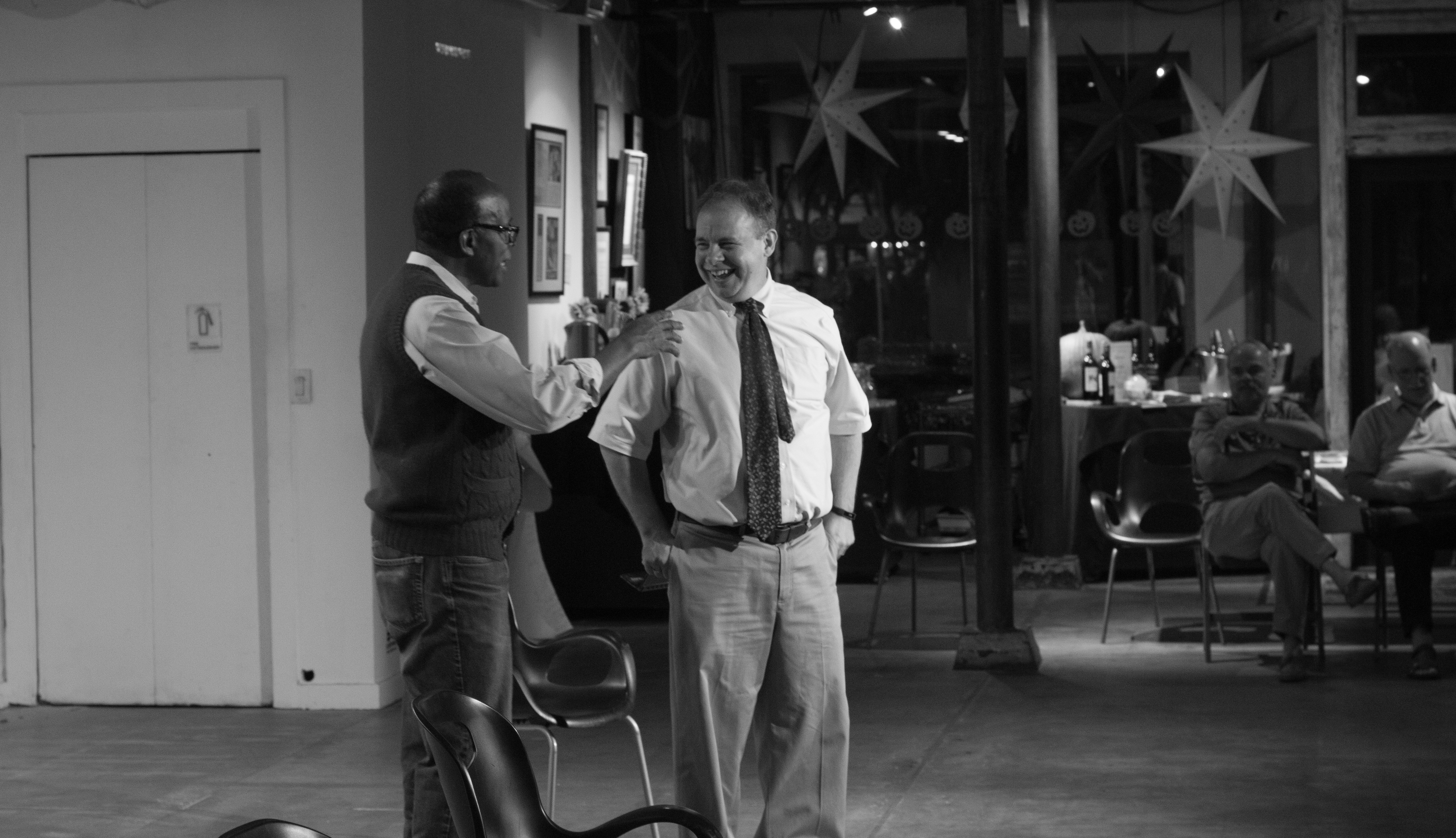
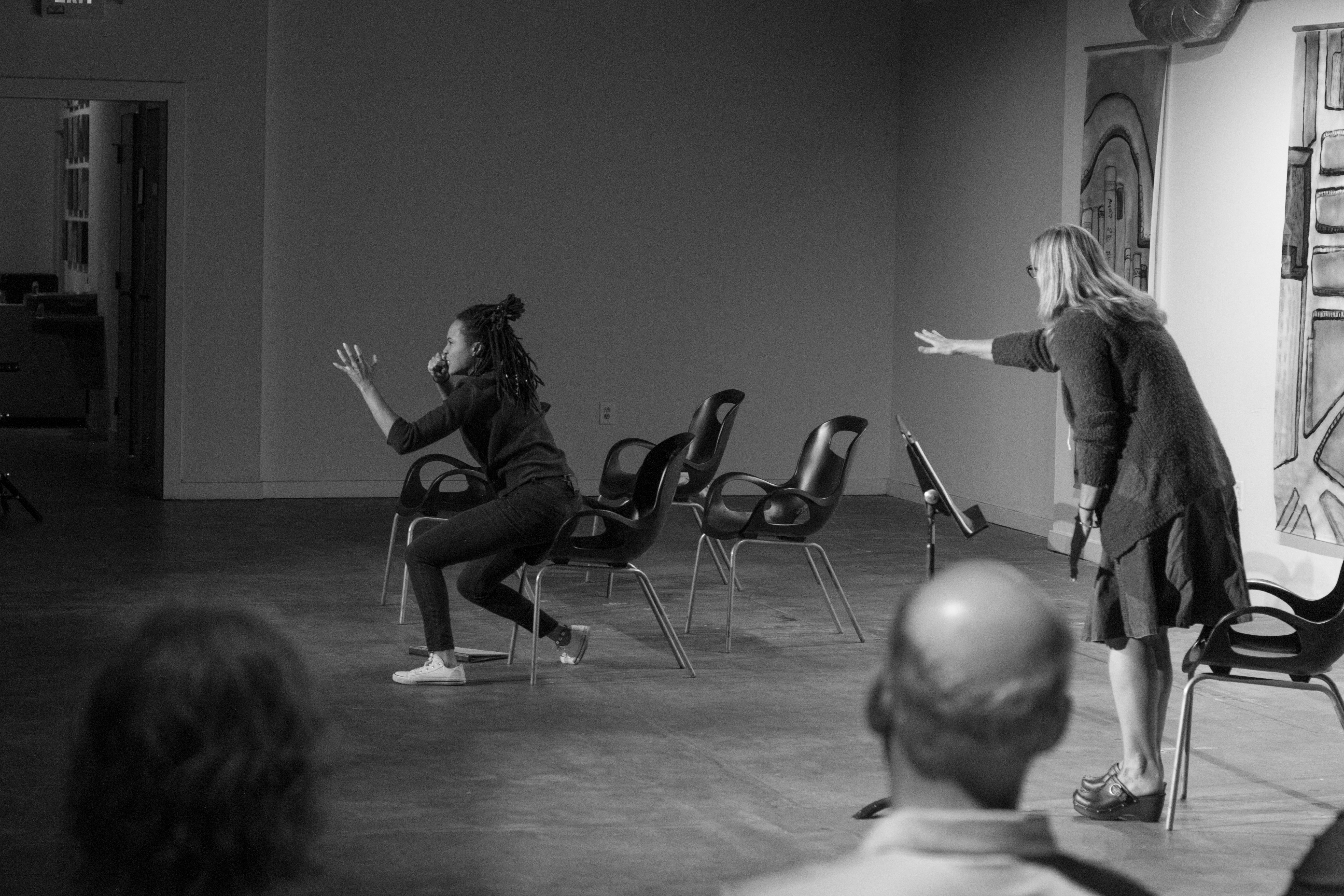
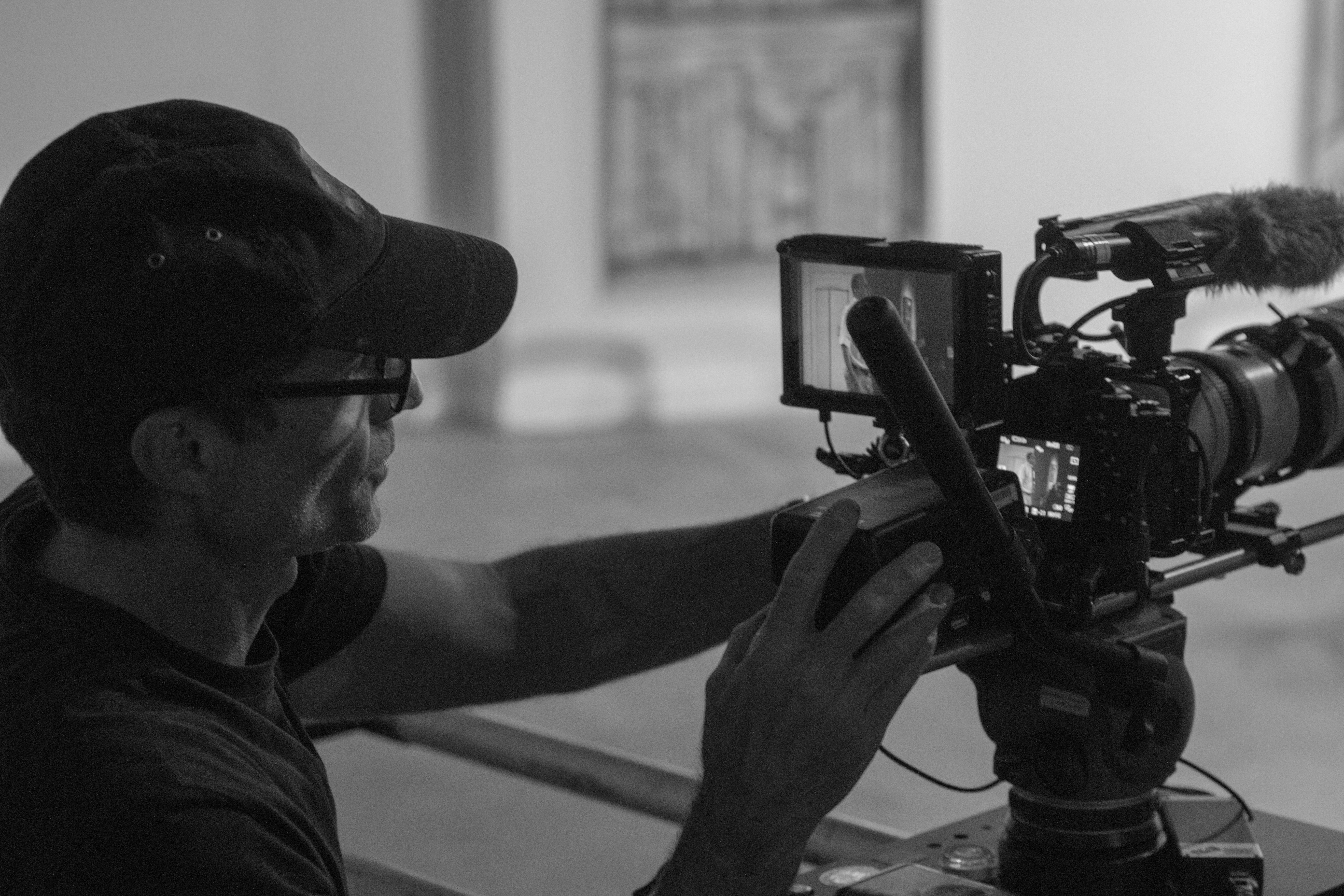
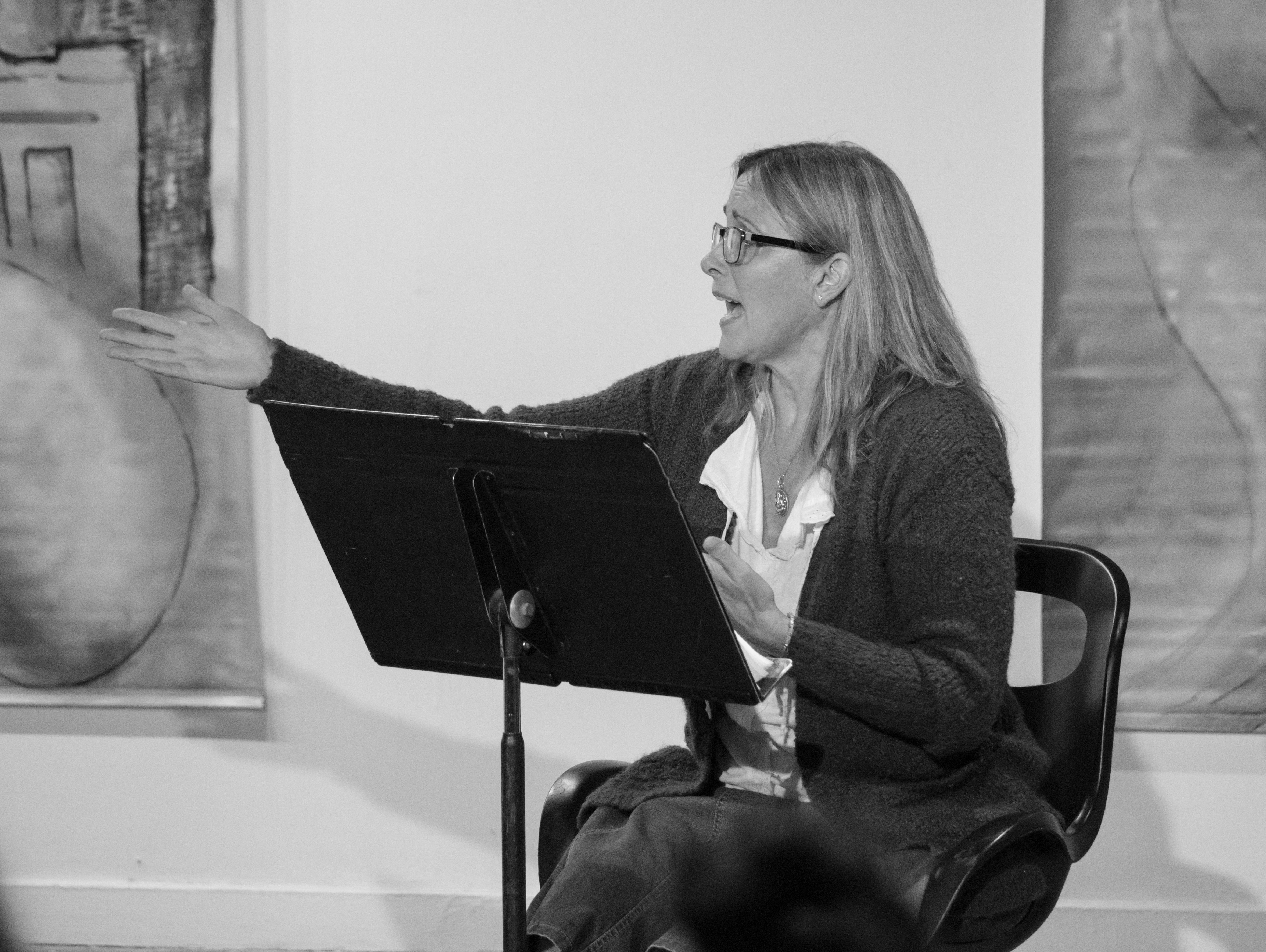
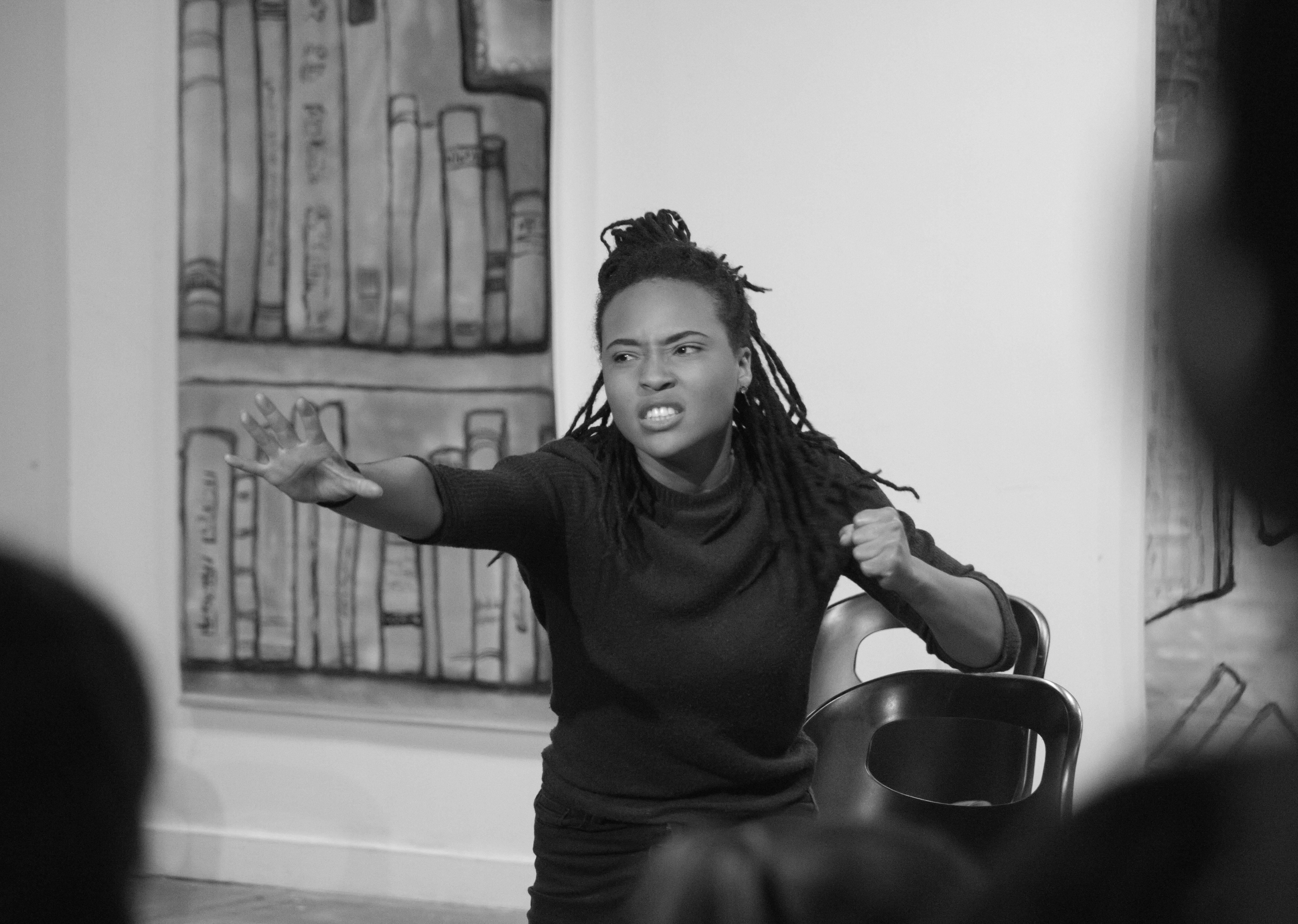
Still Shots in Black & White

 Trace Taylor